

Imagine you are transported inside a video game, standing in front of a dungeon tower. The entrance sign reads: “Defeat the big monster inside to win the grand prize.”
Three merchants stand around the entrance: one sells armour and weapons, another sells fantasy creatures as travel companions, and a third, standing a bit apart from the others, has an empty stand and a big euro (€) sign.
The dungeon may be fictional, but the money comes from your real-world wallet. With an ideal budget of €20 to spend, you decide to check out the armours and weapons. A sleek suit of shiny metal catches your eye, sturdy yet light. Its price: 130 Gold Coins.
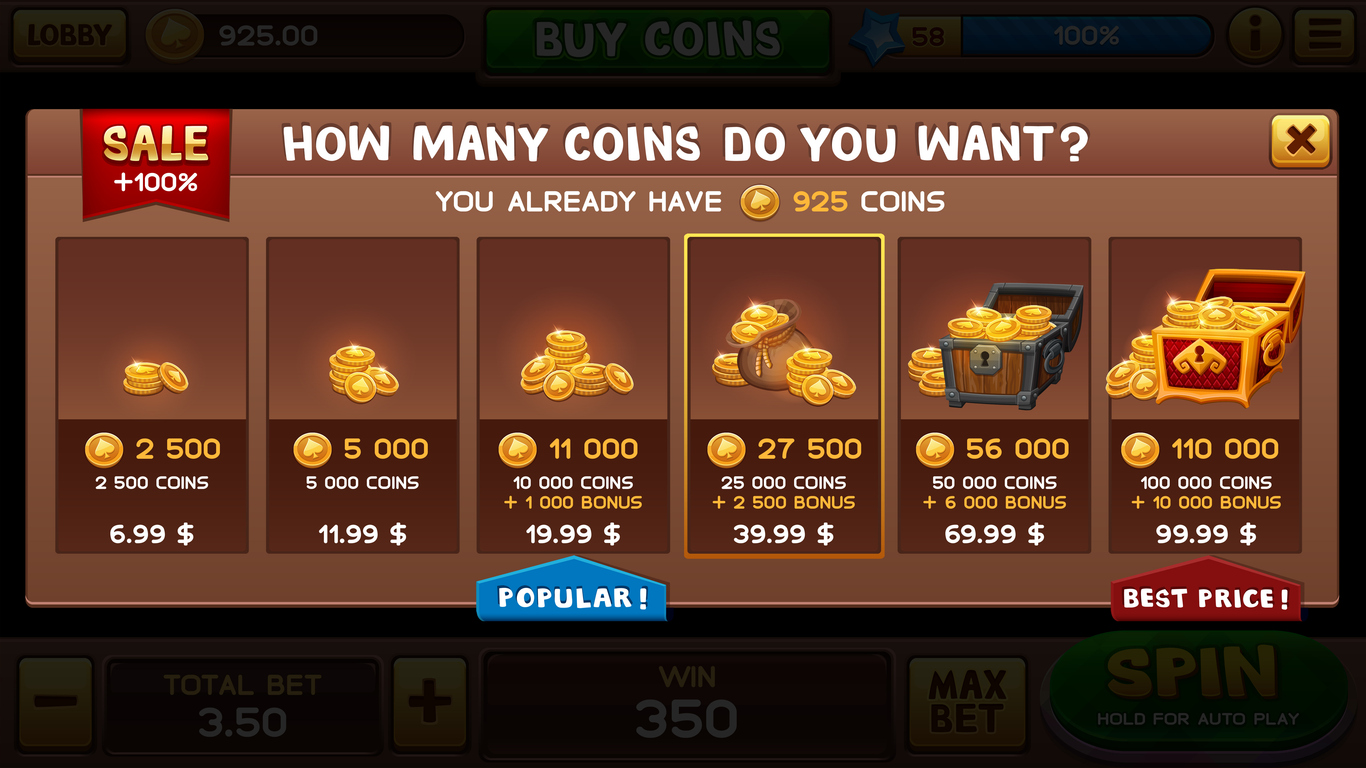
Then you realise: your euros are useless, unless… then it hits you. The merchant with the big euro sign is nothing else than a currency exchange. You walk over, but he only accepts €5 or €10 bills. For €10 you get 120 Gold Coins, which is 10 coins short to buy the armour worth €13. For €5 you only get 45 coins. You give him €15, receive 165 Gold Coins and buy the armour. You feel taken advantage of because you’re left with Gold Coins that you were not planning to buy.
When video game currencies stop making sense
Hoping to use your remaining 35 Gold Coins, you gaze over the weapons, only to discover that the merchant prices them in both Silver and Gold Coins.
“Hey young lad, you can earn silver coins by beating some monsters in the dungeon!” he says.
But you need a weapon first. The sword you like costs 2,500 Silver Coins and 105 Gold Coins. You notice that 1 Gold Coin gives you 100 Silver Coins. In total, you need 130 Gold Coins to buy the sword and you only have 35. You wonder why he can’t just quote a single price, or better yet, a price in euros. When you ask if you can pay in euros, he is very clear: “Everything has to go through the exchange merchant first, sorry lad.”
Annoyed, you walk back to the exchange merchant, hand another €10 for 120 Gold Coins, and buy the sword. Feeling lost with the maths? No wonder. Here’s a hint: you have spent €23 so far. And it’s not over.
The unexpected cost of loot boxes for gamers
Last, you want a travel companion who can fight alongside you. There are lots of creatures drawn on different boxes, but no prices in coins. You spot a magnificent Griffin drawn on a golden box and a sign next to it shows that you have a chance of obtaining it by opening the box with a token. Every attempt costs a token worth 160 Silver Coins.
You open one box and find nothing but some bread for the journey. You open ten other boxes and still get nothing apart from a few accessories. You’re starting to get frustrated, but the merchant quickly reassures you that the Griffin is guaranteed by the 90th box if you don’t get it before.
After a few more tries, you quickly run out of coins and go back to exchange euros for Gold Coins, Gold Coins for Silver Coins, and Silver Coins for tokens. You try your luck again. After opening 76 boxes, you finally get your Griffin.
Armed to the teeth with a brand-new sword and shiny armour, and accompanied by your valiant Griffin, you open the dungeon door and defeat the first monsters. After beating more monsters and clearing a few floors, you set up a campfire and rest. You find yourself enjoying this adventure more than you expected…
Back to reality, who protects video game players?
…and find yourself transported back in front of your screen. This journey cost you €35, instead of the €20 you had planned and without really realising it, every euro you spent has been removed from your account. You look for solutions online and find that other gamers have also spent a lot more than they intended. They mention the Consumer Protection Cooperation (CPC) Network, a group of national consumer authorities, which has come up with key principles for in-game currencies. But the principles are voluntary and enforcement has been difficult so far.

Unclear consumer law allows video game companies to exploit the grey zones and leave video games players confused.
You lost track of your €35 because exchange rates make prices difficult to understand, and currency bundles leave unusable leftovers. Even refunds are uncertain, as the industry argues that buying with virtual currency isn’t a real contract – but the money you are spending at the end of the day is real, so why would that be the case?
The EU’s Digital Fairness Act must remedy this uncertainty, go further than the CPC principles and provide legally binding clarifications. Businesses should always show the price of in-app purchases in real currency and switch off in-app purchases by default to reduce the risk of overspending, especially in those video games that minors are likely to play.
With clear rules, you would have bought your Griffin, weapon and armour at transparent prices in euros. Until then, video game players are left to do the maths themselves.