

Improving energy efficiency is one of the most effective tools the EU has to cut energy use, reduce dependence on imported fossil fuels, and lower household bills. The EU’s energy label has been a success story in guiding consumers towards energy and financial savings and – with some key tweaks – could continue to do so and deliver even greater benefits.
Helping consumers save energy and money
As everyday appliances account for a large share of household energy consumption, choosing efficient products with a high energy label ranking makes a real difference in energy and cost savings for consumers.
The EU’s Ecodesign and Energy Labelling policies are a real European success story. Together, they were responsible for achieving a quarter of the EU’s 2020 emissions reduction targets, and nearly half of the EU’s 2020 energy savings (compared to 1990 levels). By 2030, Ecodesign and Energy Labelling are expected to reduce energy use by almost 20% compared to a scenario without these policies.
Choosing efficient products…makes a real difference in energy and cost savings
What’s more, according to a 2023 BEUC study, these energy efficient appliances can save consumers several hundred euros per year in their energy bills. In 2022, at the height of the energy crisis, consumers could save up to €2,450 if equipped with top energy class appliances.
Most of the savings come from a reduction in the energy consumption of space heating and lights (switching from halogen to LED), which are the appliances with the highest impact on households’ annual energy costs.
But the lower energy consumption of other household appliances and consumer electronics – such as fridges, TVs and washing machines – also contributes to reducing consumers’ energy bills, collectively contributing to about 15% of the total annual saving (around €100 in annual energy bills).
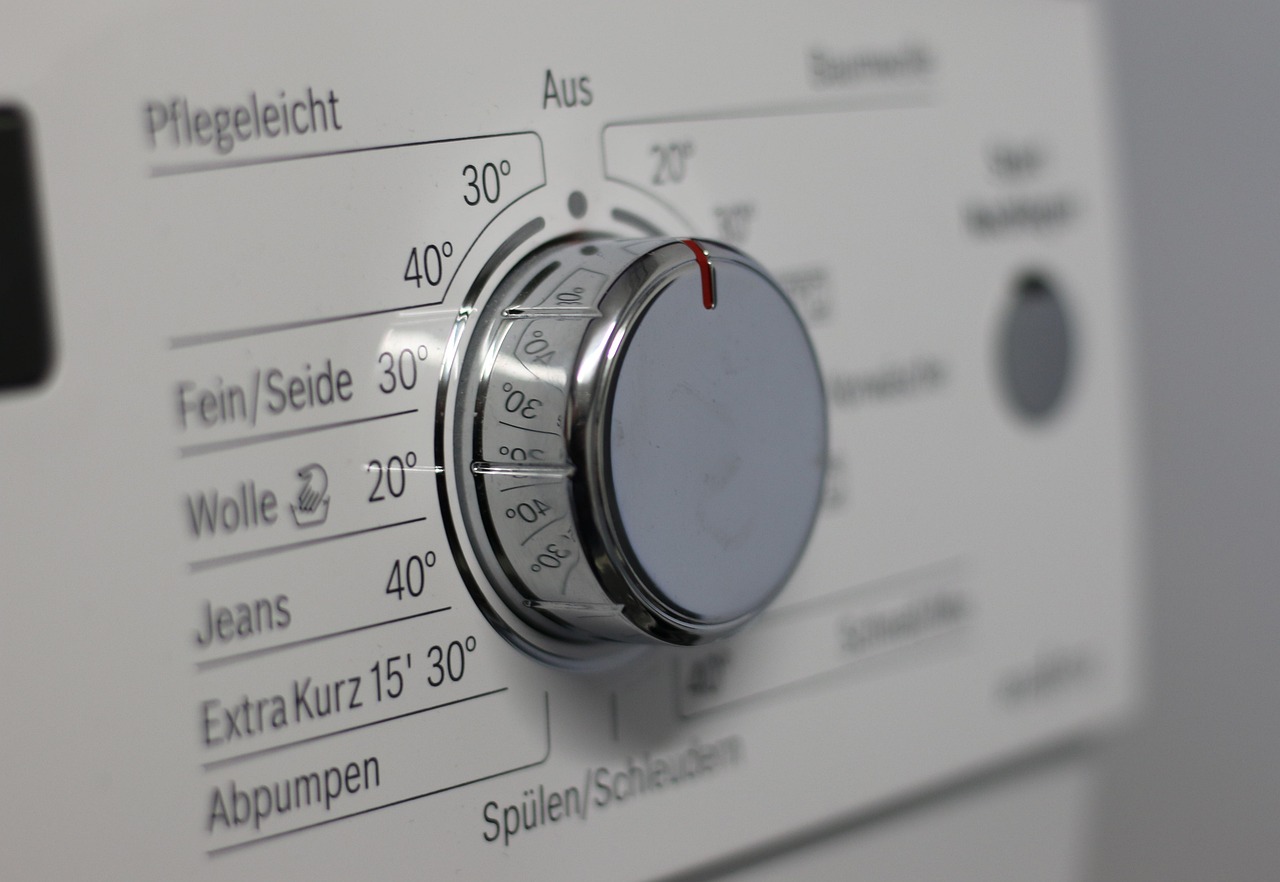
Above: appliances like washing machines with a high energy label can help consumers save money on their energy bills
A trustworthy label
Energy and cost savings are key to why the EU energy label has been such a success. But also because the label covers most household appliances, from fridges to washing machines and TVs, consumers therefore trust it to inform their choices.
The label itself includes information about a product’s energy efficiency, as well as increasingly on its reliability and repairability, helping consumers pick the most durable and circular products.
It is a system that has won consumers’ trust: 93% recognise the label, and 79% look at it before buying a product. Its clear colour scale, from green to red, helps people make quick, informed choices, and its presence in shops and online pushes manufacturers to design more efficient products.
A visible label
The effectiveness of the energy label relies on how easily consumers can see it. When purchasing a new fridge or washing machine – whether in-store or online – shoppers will always find the energy label displayed alongside the product.
This ensures that information on energy efficiency and other key features is built directly into the consumer’s decision-making process, without requiring any additional steps such as scanning QR codes or consulting a salesperson.
Making energy labels future-proof
While the energy label has been a major success, to keep delivering savings for consumers and supporting the EU’s energy and climate objectives, energy labelling must now go further.
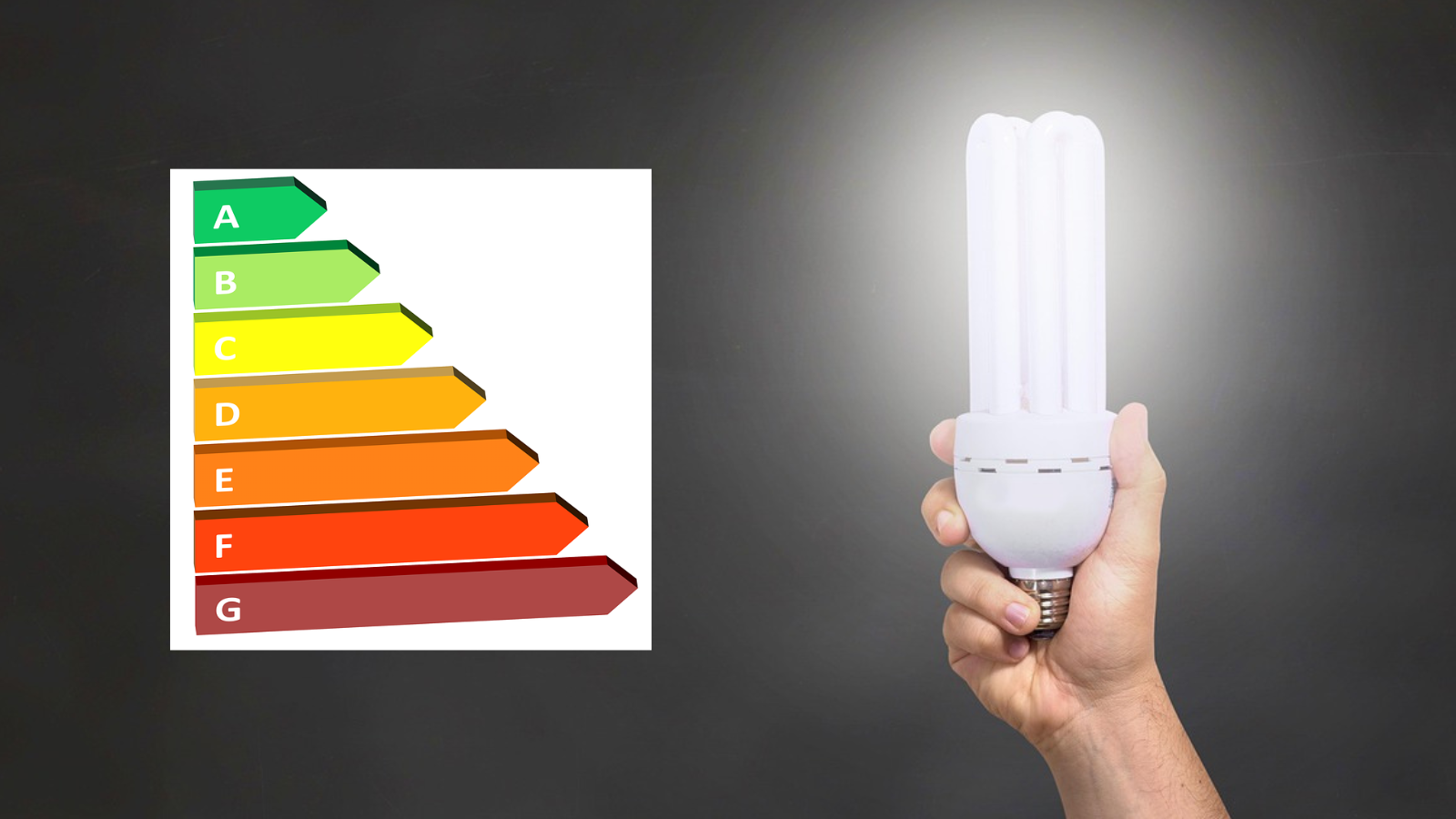
Above: energy labels must be clearly displayed for products at the point of sale
Key to doing this is ensuring full visibility of energy labels in shops and online. Energy labels must be clearly displayed for every product at the point of sale. Missing or hidden labels deprive consumers of crucial information to make energy efficient choices.
Energy labels can also prove useful after purchase. By scanning the QR code on new labels, consumers can find information about repairability, like repair instructions and spare parts. Energy labels also provide trustworthy information when buying second-hand appliances. If the energy label is stuck on a washing machine after a first purchase, second-hand buyers could easily find information about the model and its energy efficiency.
As appliances become more efficient, policymakers should also ensure that old energy labels are updated. Labels must be revised faster so that only the best performing products reach class A. Consumers should also no longer see confusing A+ energy labels on the market.
Energy labels can also prove useful after purchase
This also means improving the test methods upon which energy labels are built. The way products are tested should reflect how people actually use them (instead of theoretical laboratory situations), ensuring the label gives realistic information about energy consumption.
Finally, authorities need to strengthen market surveillance and crack down on non-compliance, such as missing or wrong energy labels displayed in shops. Stronger checks are needed so that manufacturers and retailers follow the rules.
Energy labels: time to build on an EU success story
The energy label is one of the EU’s most successful consumer tools. It helps consumers save energy, while also cutting energy bills and has played a major role in helping Europe deliver significant energy savings and emissions reductions.
With better visibility, faster updates, and stricter enforcement, it can become an even more powerful and recognisable tool.