

Have you ever found yourself scrolling through second-hand websites, wondering what the best choice might be? Until a month ago, I was completely unfamiliar with this world. That was before joining BEUC and discovering the joys and tribulations of second-hand plug-in hybrid vehicles (PHEVs) for a research project. Through this experience, I realised how helpful a new EU Car Label could be for me and other consumers.
The mysteries of the second-hand car market
Due to soaring car prices, the used market has become the go-to option for most consumers. However, making a purchase on a tight budget can be overwhelming given the number of options: “If I go for an electric car, which one is cheapest to run?” “Is a petrol car still advantageous, considering fuel costs and tailpipe emissions?” “Does the hybrid version really offer ‘the best of both worlds’?”
These questions came to my mind as I tried to navigate this maze. Unfortunately, answering them was difficult. On many websites, I noticed a lack of information on energy consumption and CO₂ emissions. Often, the data was missing. Sometimes it was hidden in an obscure corner of the website. When I did find it, I wondered if the figures reflected reality.
Only looking at the purchase price…doesn’t give a clear picture of a car’s true cost
Making a well-informed decision was challenging. Online resellers will tell me about everything from the car’s design to its many options, but leave out the key information I am looking for: how much does this car cost annually? Only looking at the purchase price, with little indication of fuel consumption, doesn’t give a clear picture of a car’s true cost.
The EU’s current car labelling Directive does not offer any clarity, unfortunately. It came about in 1999 when the internet was not yet mainstream and is thus clearly ill-suited when most households now buy second-hand cars online.
The potential of a better car label
This perfectly illustrates why BEUC has long been calling for a reform of the Car Label. The much-needed revision of this Directive would harmonise information disclosure requirements about cars across the EU, including for professional resellers. This would then provide consumers with an accessible, understandable and reliable tool to compare vehicles.
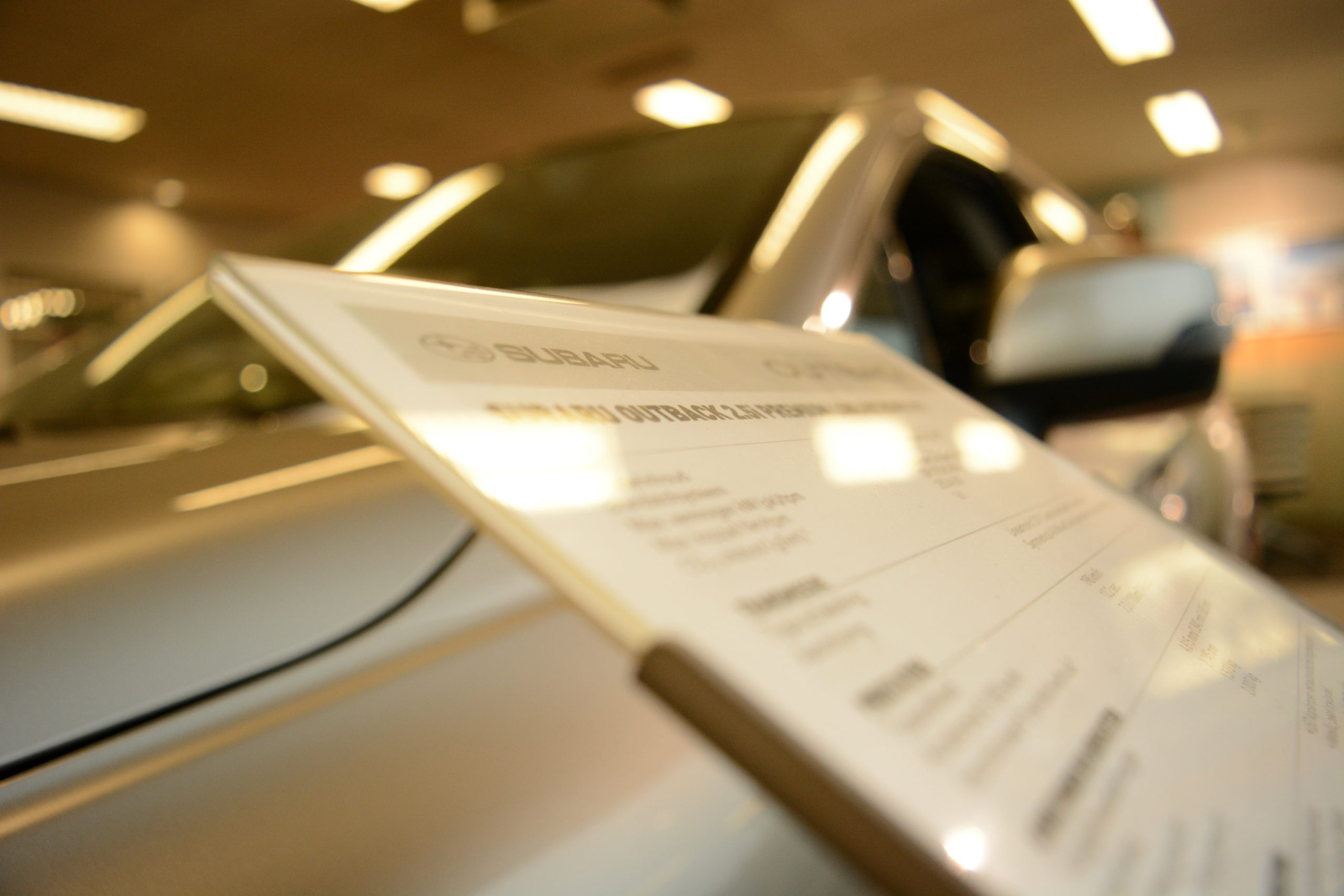
Above: a clear car label should help provide comparisons for consumers between vehicles
This standardised car label should be used by professional resellers and display information on real-world energy efficiency (kWh/100 km or l/100km), environmental performance (g CO₂ /km), and electric cars’ battery health status.
However, such a label is ineffective if it is hidden behind several clicks. Therefore, policymakers should set clear display guidelines to ensure it is clearly recognisable, shown up-front and on websites and other promotional content.
Disclosing emissions could offer consumers significant savings
Coming across figures on websites, I always suspected they were misleading: how could a 2,100kg PHEV SUV only emit 25g CO₂/km and have a B-ranking? It is proven by the European Commission that lab test results largely underestimate real-world emissions.
But miscalculating energy efficiency directly exposes consumers to unexpected spending. Optimistic assumptions on PHEVs, for example, trick buyers into thinking they have limited running costs and a low carbon impact, when it is the opposite.
Miscalculating energy efficiency directly exposes consumers to unexpected spending
According to a 2025 T&E report, because real-world emissions are five times higher than official figures, PHEV owners may spend an extra €500 on fuel per year. These hidden costs could be disclosed before purchase if real-world data was displayed.
Disclosing this information is actually very simple thanks to On-Board Fuel Consumption Monitoring devices already installed in cars, which track real-world energy consumption. Households could then choose the truly energy-efficient and affordable option.
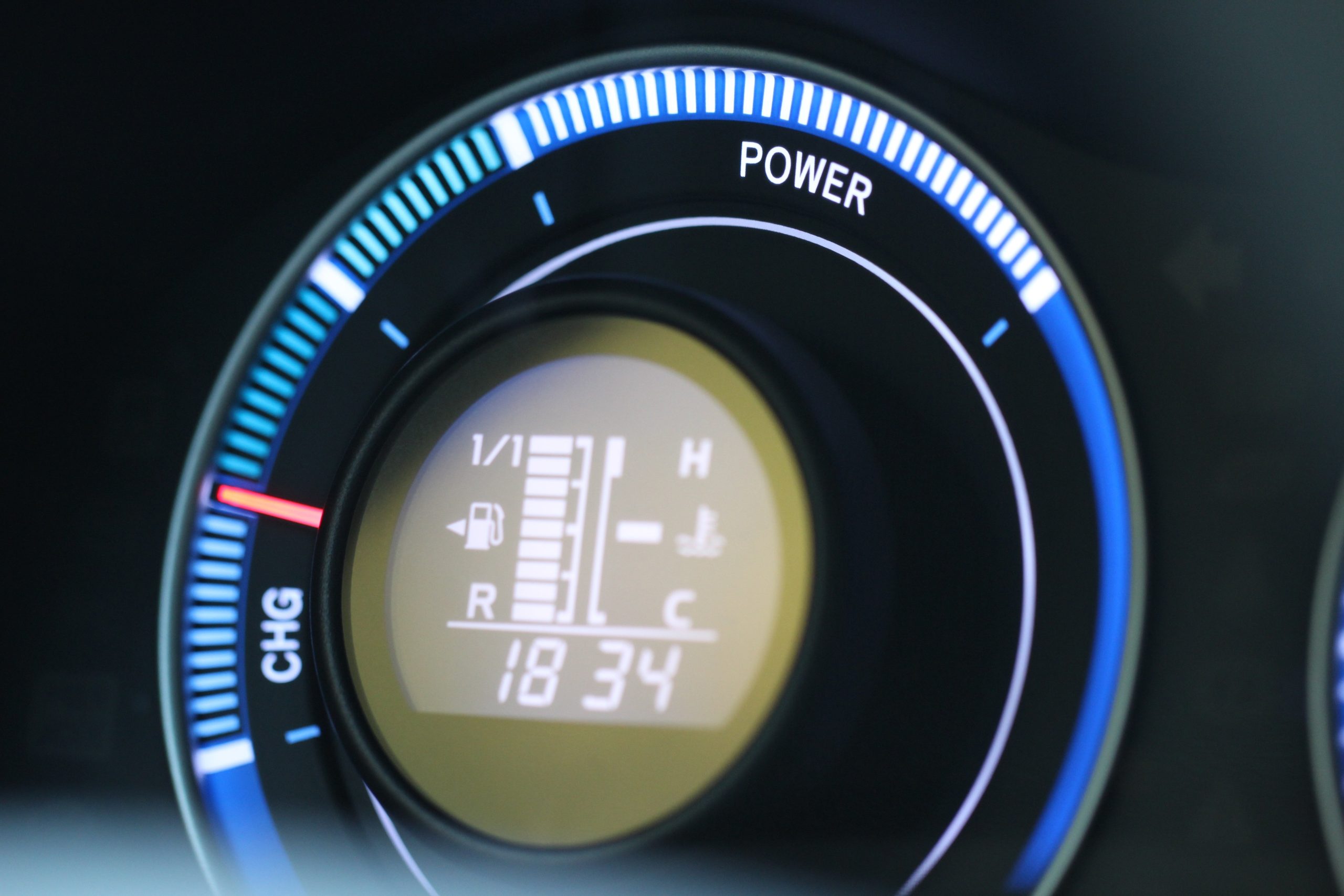
Above: cars are already equipped with monitoring devices to track real-world energy consumption
The importance of a future-proof label
Do you remember trying to compare fridges’ energy efficiency and only seeing A+ and A+++ labels? Before revision, this caused confusion and undermined trust in the label.
This phenomenon should be avoided for cars. To secure the label’s relevance over the years and spur a ‘race-to-the-top’ effect, the ranking’s top categories should initially remain empty, in anticipation of technological improvement and to encourage innovation.
BEUC also argues that the label should distinguish between electric vehicles based on energy efficiency, given significant differences between models. It would incentivise manufacturers to reduce cars’ environmental impact and ensure that this tool effectively guides consumers towards the best vehicles.
People who are actually trying to buy a car likely struggle with the same lack of information transparency and accuracy as I did.
This truly makes the case for a new car label that would help consumers select the best option for their wallet and the environment.